
Lukasz Polowczyk about his New Workshop ” If You Don’t Write It, The Internet Will ”
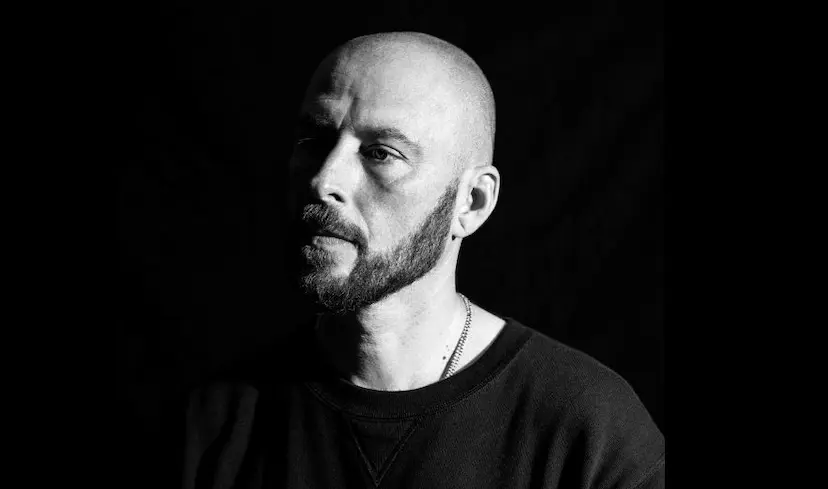
Interview with Lukasz
Why did you decide to put together a workshop on writing press releases, and why add the AI component?
I’ve been writing press copy and artist bios for close to 20 years. In many ways I’ve dedicated myself to perfecting the form — it’s a personal obsession, because I find it genuinely fascinating. But beyond the craft itself, what you’re doing when you write press copy is capturing the spirit of something or someone. Their truth, if you like. And eventually you see the picture you’ve created being replicated in the media. At some level, you’re shaping reality — helping an artist move through the world in line with their idea of themselves: their ethics, politics, aesthetic obsessions.
If you get the press release right — if you weave together the key narratives, describe the music and the artist in a compelling way, lean into who they actually are and what this music is and what it does — you’re creating context. A template for world-building, and certainly for the visual identity of that specific release and the artist at that particular moment in time. I think this is one of the most important tools an artist has: being able to organise the facts the world should know about them, create context for their work, and in the process define their core.
The reason I didn’t offer this workshop earlier was that a lot of artists are fierce when it comes to writing lyrics, but they really struggle to express themselves in straightforward prose. I didn’t know how to bridge that gap, and I didn’t want the workshop to become a beginner’s creative writing class. What I want is to work through the whole process — extracting key narratives, building a hierarchy of information that will serve as the architecture of the text — and then focus on poetics and textures of language: creating a bespoke palette for every artist and release. Those who are already strong writers won’t need AI beyond maybe proofreading. But those who need support can use it to turn loose, digressive notes into something more structured.
So you won’t be exploring AI beyond copy editing?
We will. We’re going to use it for deep research — extracting phrases used to describe other works of art that can serve as a metaphor for the music. For example, and this is actually how I discovered this approach, I asked ChatGPT to pull every phrase used to describe The Dark Knight in film reviews. I was working on a press text for a goth pop outfit at the time, and they were playing with that vibe and imagery. Within seconds I had an entirely new palette to work with. I just took what was interesting and collaged it. But you can do this with almost anything — how do people describe Rothko’s paintings, or mountain climbing? The point is to distil a language that embodies the feel of your music, or crystallises its key metaphor.
We’re also going to use AI for quick summaries and text analysis — extracting main themes from an interview, for instance. And as a co-pilot. You write something and then see what different models say about what you’ve written. When you’re deep in a piece it’s hard to zoom out and see all the layers of meaning you’ve created — some of it unconsciously. Getting a clear signal back is important.
Are press releases even necessary anymore? Artists have so many social media tools now, reels…
If someone googles your name, or asks an AI assistant about you, where does that information come from? It’s a synthesis of every text about you that exists online — including short entries on Spotify or Bandcamp. If you don’t curate that information, it will be random and inaccurate. What we’re doing is defining how others see you. And beneath that, we’re working out where you are at this moment in time: what your current idea of self is, your politics, and what is genuinely of value and of interest to others in the work you’re creating.
Get yourself a Ticket to Lukasz’s workshop here.